


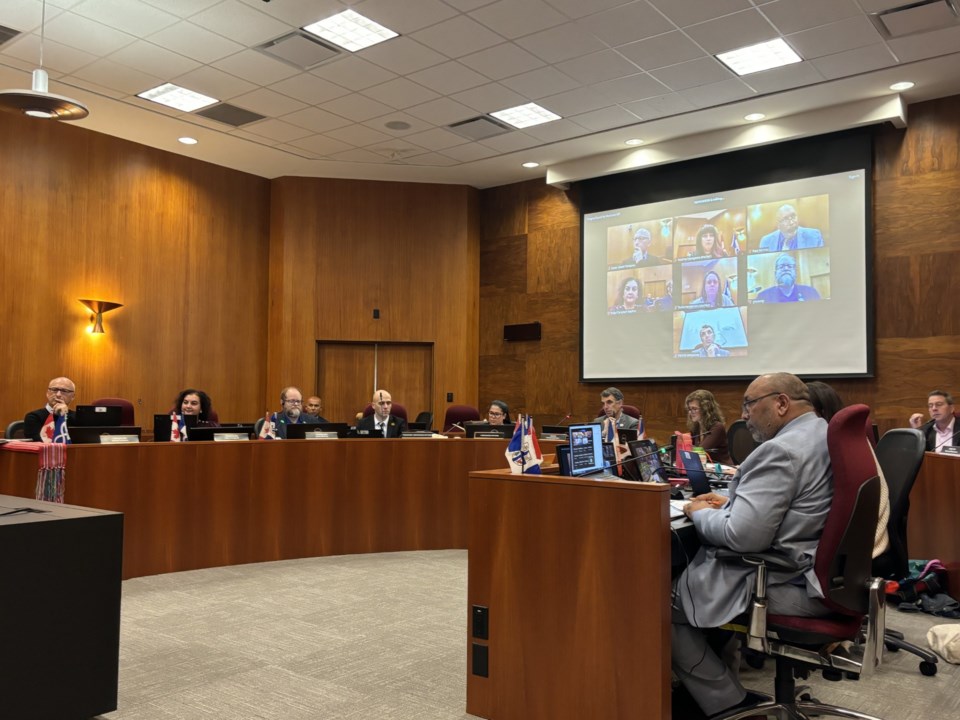
New Westminster is bracing for one of Metro Vancouver's most compelling municipal elections this October, as years of council infighting finally crystallize into a straightforward mayoral race with real ideological stakes.
The contest pits incumbent Mayor Patrick Johnstone, running with the Community First New West slate that controls council, against Councillor Daniel Fontaine, who is seeking the mayor's chair on a platform of better listening to residents and the New West Progressives Party (NWP).
Johnstone's message is familiar: continuity and progress. At his campaign launch earlier this month, the mayor emphasized what he views as council's achievements on affordable housing, climate action, and youth initiatives.
"I don't think we need a big change. I think we need to continue the momentum that we've got," Johnstone said. "The majority of council has voted to support affordable housing. The majority of council has voted to support climate action, youth empowerment … and been able to support these progressive actions."
Fontaine, however, says New Westminster's civic leadership has lost touch with everyday residents.
"The one that I hear from the public all the time is that city hall isn't listening," Fontaine explained. "It doesn't matter whether it has to do with bike lanes or the issue of homelessness or housing affordability or taxes … it's not listening to our concerns, and it's not taking those concerns and then adapting them into public policy."
From Fringe to Momentum
The NWP's rise in New Westminster politics has been notable. In 2018, Fontaine finished seventh in the race for council seats, unable to break through the dominance of candidates endorsed by the New Westminster & District Labour Council. By 2022, the party still couldn't capture the mayor's office, but Fontaine and running mate Paul Minhas secured two of six council positions.
Since then, the two NWP councillors have become fixtures of council meetings, filing opposition motions on major and minor issues alike. Their points of order and personal privilege statements have stretched meetings and created palpable tension on the dais. Supporters view their activism as a necessary counterbalance; critics call it grandstanding.
"I think this campaign for my opponent has been going on for about three years now," Johnstone said, suggesting Fontaine has been positioning himself for a mayoral run since taking his council seat.
Still, Fontaine insists he's sensing genuine momentum. "The previous campaigns, I'll admit, it was a challenge to get people to run with the NWP," he noted. "This campaign, we had an abundance of candidates who wanted to run. So, you can feel that energy on the ground."
Turnout Could Tell the Story
The intensity of this race could reshape voter engagement in New Westminster. Only 29 per cent of eligible voters showed up four years ago—a figure that masks how polarized the community has become on social media, with Facebook groups and Reddit threads buzzing with debate about the competing visions for the city.
What started as a fractious council dynamic has evolved into the kind of election that could see significantly higher turnout, giving voters a genuine choice between competing philosophies about how New Westminster should be governed.
"I think we can have a good healthy debate about the direction of this city," Johnstone said—a statement that, regardless of intent, captures the stakes perfectly.
This article is based on reporting from CBC British Columbia. Read the original story here.