Business

South Korea Activates Crisis Protocols as Middle East Oil Supply Risks Mount
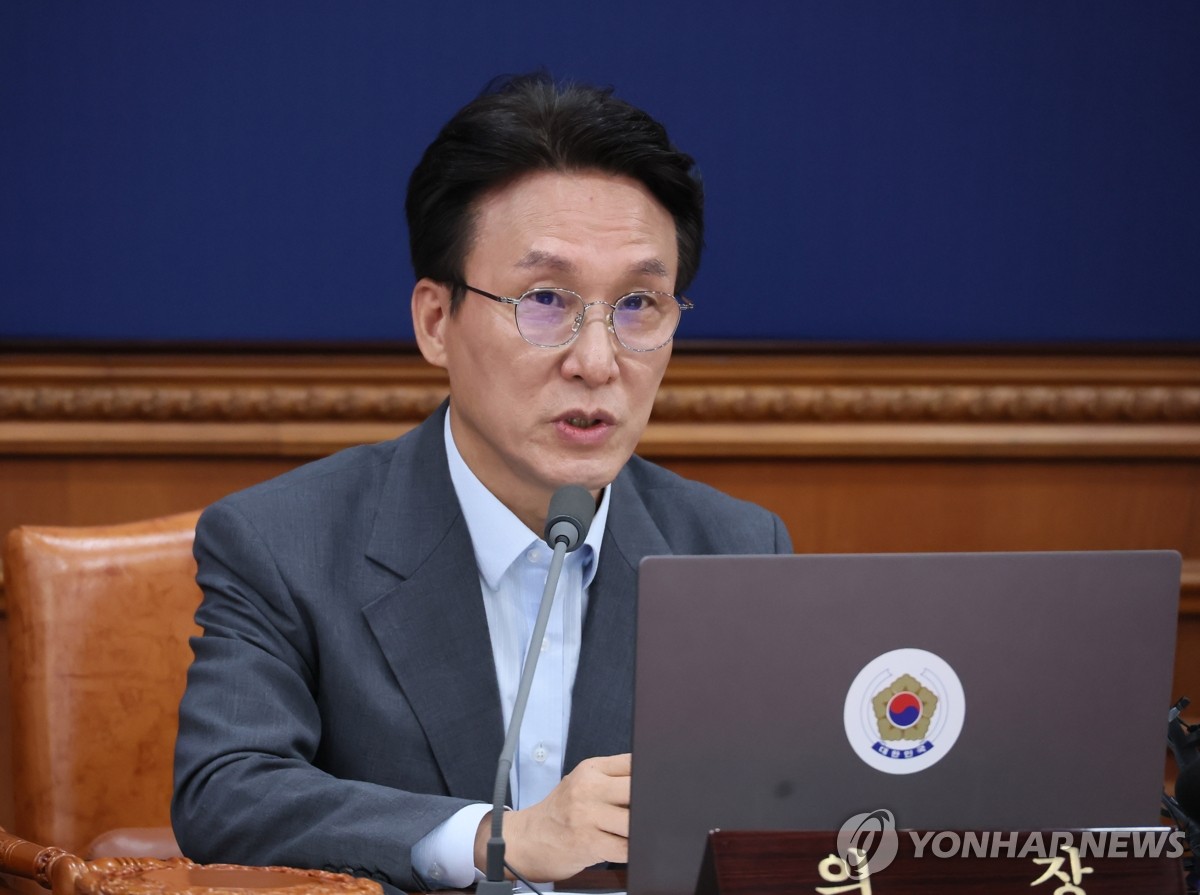
Prime Minister Kim Min-seok announces emergency task force and supplementary budget as energy security concerns escalate.

South Korea Activates Crisis Protocols as Middle East Oil Supply Risks Mount

(Financial Post / File)

South Korea has shifted into crisis mode as escalating Middle East tensions threaten global oil supplies, with Prime Minister Kim Min-seok announcing comprehensive emergency measures to protect the nation's energy-dependent economy.

The Asian economic powerhouse is ramping up contingency planning for worst-case scenarios as the regional conflict shows no signs of abating, putting critical oil supply routes at risk.

"With the situation likely to be prolonged, there is a need to further strengthen a preemptive, whole-of-government response system, including preparations for worst-case scenarios," Kim told reporters Wednesday. "The government will respond with utmost urgency in line with the gravity of the situation."

Emergency Task Force Established

Seoul is establishing an emergency economic task force under the prime minister's direct leadership, operating as a cross-ministerial "one team" to coordinate the country's response to the unfolding crisis.

The task force will convene twice weekly for the foreseeable future, while a separate emergency economic situation room will be set up at the presidential office to monitor developments around the clock.

The comprehensive response reflects South Korea's heavy reliance on energy imports and vulnerability to supply chain disruptions, particularly as oil prices surge and critical shipping lanes face restrictions.

Supplementary Budget Push

Kim emphasized the urgent need for parliamentary approval of a supplementary budget, describing it as "not a choice but a necessity" to shield the economy from mounting risks.

The government and ruling party reached agreement Sunday on a approximately 25 trillion won ($16.7 billion) supplementary budget package. Notably, the funding will come from stronger-than-expected tax revenues rather than new bond issuance, as officials seek to support the economy without putting upward pressure on bond yields.

The strategic funding approach demonstrates Seoul's commitment to maintaining fiscal discipline while addressing the immediate economic threats posed by the energy crisis.

South Korea's proactive stance underscores the broader global implications of Middle East instability, particularly for Asian economies heavily dependent on energy imports from the region.

This story is based on reporting from the Financial Post.

Share this story