


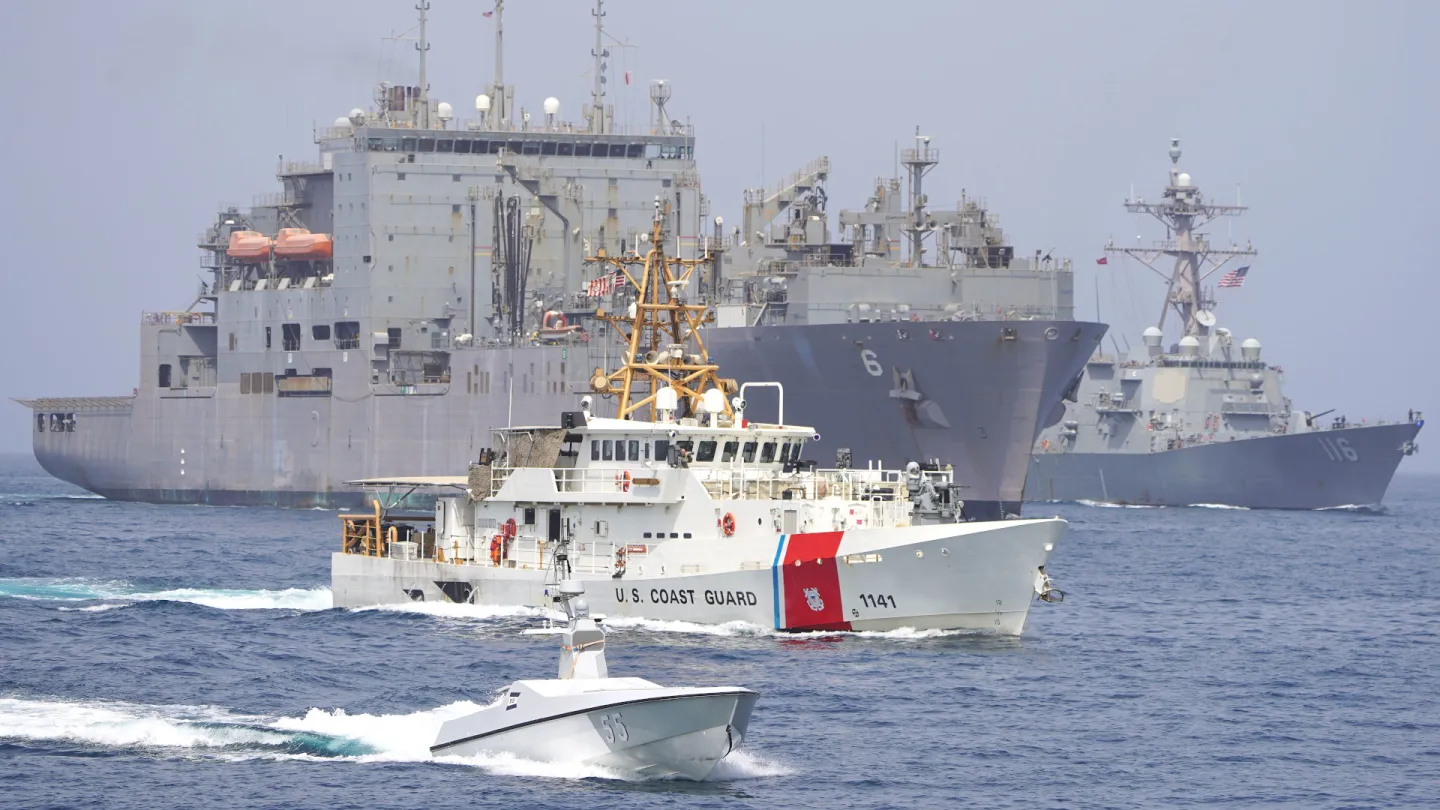
In a dramatic escalation of US-Iran tensions, President Donald Trump has announced an immediate full naval blockade of the Strait of Hormuz, one of the world's most strategically critical waterways, after peace negotiations between the two nations collapsed over disagreements on nuclear policy.
The announcement came Sunday following failed direct talks between US and Iranian representatives in Pakistan. According to Trump, the negotiations broke down specifically over nuclear issues, dashing hopes that a recently brokered ceasefire could be transformed into a permanent peace agreement.
Global Energy Supplies at Risk
The Strait of Hormuz serves as a chokepoint for approximately one-fifth of the world's oil and liquefied natural gas exports. Any sustained blockade threatens significant disruption to global energy markets and could trigger price spikes for consumers and businesses across North America and beyond.
"Effective immediately, the United States Navy, the Finest in the World, will begin the process of BLOCKADING any and all Ships trying to enter, or leave, the Strait of Hormuz," Trump stated on Truth Social. The president warned that any Iranian vessels or personnel who "fire at us, or at peaceful vessels, will be BLOWN TO HELL."
Trump indicated the US Navy will interdict any ship that has paid tolls to Iran for safe passage through the waterway and will undertake mine-clearing operations in the strait. He added—without providing specifics—that allied nations would participate in the blockade effort.
Implications for Canadian Energy Security
For Canada and Alberta, already navigating complex energy markets and export challenges, the blockade presents additional uncertainty. Canadian oil and natural gas producers rely on stable global markets, and disruptions in Middle Eastern energy flows can affect prices and trade dynamics across North America.
The failed negotiations represent a significant setback for diplomatic efforts in the region. The recently established ceasefire, which had raised hopes for de-escalation after a war that has claimed thousands of lives, now hangs in limbo as military tensions resurge.
Experts suggest that such a blockade would disproportionately impact Iran, which has relied heavily on oil exports through Hormuz during the conflict. However, the broader consequences for global energy security and international commerce remain substantial.
The situation underscores ongoing volatility in Middle Eastern geopolitics and its ripple effects on energy markets, supply chains, and economic stability worldwide.
This article is based on reporting from the Financial Post. Read the original story at Financial Post.