


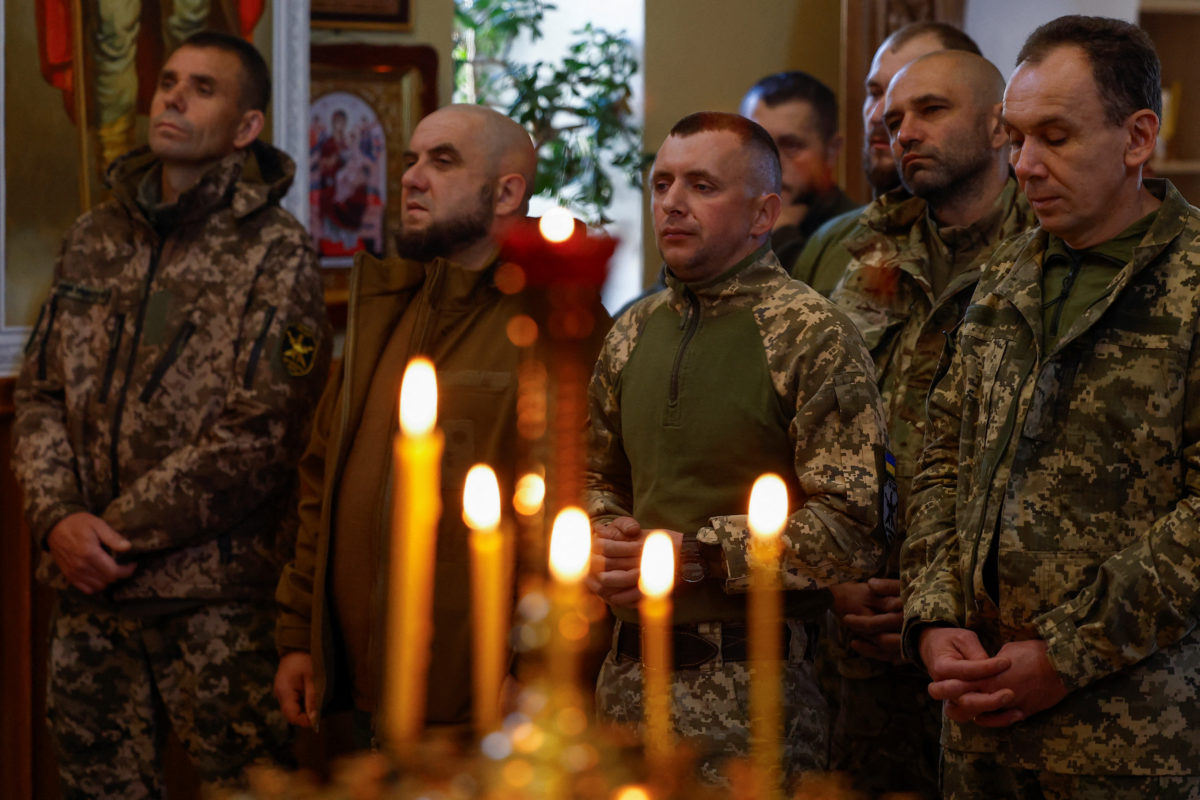
A fragile 32-hour ceasefire meant to observe Orthodox Easter has rapidly deteriorated into a blame game, with Ukraine and Russia accusing each other of massive violations mere hours after the truce took effect Saturday.
The temporary halt to hostilities, now in its fourth year of warfare, appears to have held in name only. Russian Defence Ministry officials reported 1,971 ceasefire violations overnight into Sunday, while Ukraine's general staff countered with documentation of 479 separate shelling attacks and more than 1,700 drone strikes launched by Russian forces.
Civilians Pay the Price
Reports of civilian casualties emerged quickly. Russia claimed a child was among those injured during a Ukrainian drone attack in the Kursk region, while Vyacheslav Gladkov, the Belgorod regional governor, stated two people were killed by Ukrainian shelling. Ukraine's State Emergencies Service reported two civilians wounded Sunday by a Russian drone attack in the Kharkiv region.
Independent verification of the competing claims remains impossible, with battlefield activity continuing at a pace that defies the ceasefire agreement.
A 'Humanitarian Gesture' Under Fire
Kremlin spokesman Dmitry Peskov characterized the truce as a "humanitarian gesture" from Russian President Vladimir Putin, while warning that Russian forces would resume full military operations once the ceasefire expires at midnight Moscow time Sunday.
"Putin has instructed the Russian military to remain on high alert in case of provocations," Peskov stated, suggesting Moscow views the ongoing violations as potential justification for renewed offensive operations.
Zelenskyy's Cautious Agreement
Ukrainian President Volodymyr Zelenskyy, who had previously proposed multiple ceasefire plans rejected by Moscow, agreed to participate in the Orthodox Easter truce after Putin announced it April 9. The agreement represents a rare moment of mutual acknowledgment between the warring nations, even as the details of its implementation remain bitterly contested.
This article is based on reporting from CBC World. Reuters was unable to independently verify military activity claims from either side.