


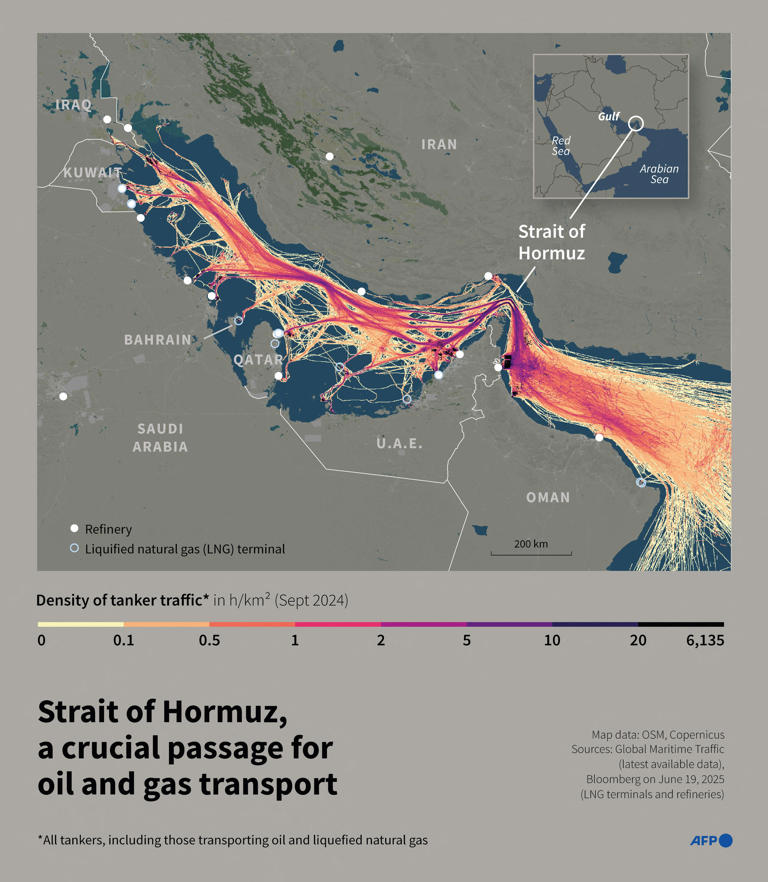
Tensions in the Middle East have dramatically escalated following the breakdown of peace negotiations between the United States and Iran, with former U.S. President Donald Trump warning of a potential blockade of the Strait of Hormuz—a critical chokepoint for global oil supplies.
The threat comes as diplomatic efforts to ease hostilities have stalled, raising alarms among energy markets and consumers worldwide, including Canadians already grappling with inflationary pressures.
Oil Prices Spike Amid Regional Uncertainty
The collapse of peace talks has triggered immediate concerns about crude oil supplies. The Strait of Hormuz, located between Iran and Oman, serves as one of the world's most vital shipping lanes, with roughly one-fifth of global petroleum passing through its waters daily. Any disruption could send shockwaves through energy markets.
Oil prices have already begun climbing in response to the geopolitical uncertainty, with markets reflecting growing anxiety about potential supply constraints. For Canadian consumers and businesses, higher oil prices translate directly to elevated fuel costs and broader inflationary pressures affecting everything from transportation to heating.
Inflation Concerns Mount for North American Consumers
Energy costs remain a significant driver of inflation across Canada and the United States. Volatile crude prices can quickly ripple through the economy, affecting grocery prices, shipping costs, and heating bills—particularly concerning as Canadians head into spring and summer seasons when energy demand typically shifts.
Economists warn that sustained elevated oil prices could complicate efforts by central banks to manage inflation, potentially affecting interest rates and borrowing costs for Canadians seeking mortgages or other financing.
What's Next?
The situation remains fluid as diplomatic channels continue to be explored. However, Trump's blockade threat signals a hardening U.S. stance that could further destabilize the region and tighten global energy supplies in coming weeks.
Canadians monitoring fuel prices at the pump and energy bills at home should prepare for potential volatility as markets digest these developments.
This article is based on reporting from CBS News Weekend coverage of Middle East tensions and U.S. foreign policy developments. For the full CBS News report, visit CBSNews.com.