


A haunting three-word confession — "I messed up" — captured on air traffic control audio has become the defining moment of Sunday's deadly LaGuardia Airport collision that killed two Canadian pilots and injured dozens more passengers.
The stark recording reveals an air traffic controller's desperate attempt to correct a fatal error within a twenty-second window, after clearing both a fire truck to cross Runway 4 and an Air Canada Express flight to land on the same strip.
"I tried to reach out to my staff. And we were dealing with an emergency earlier. I messed up," the controller can be heard telling a colleague in the aftermath of the collision.
While the admission has drawn intense scrutiny, aviation experts warn against oversimplifying what appears to be a complex chain of systemic failures affecting airports across Canada and the United States.
Staffing Pressures Under Microscope
John Gradek, an aviation management expert at McGill University in Montreal, noted the anguish in the controller's voice during the recording.
"There was a lot of anguish and a lot of anxiety, and concern in his voice," Gradek said.
Former FAA air traffic control specialist Mike McCormick described the incident as "probably the most significant and worst thing that can happen to a controller."
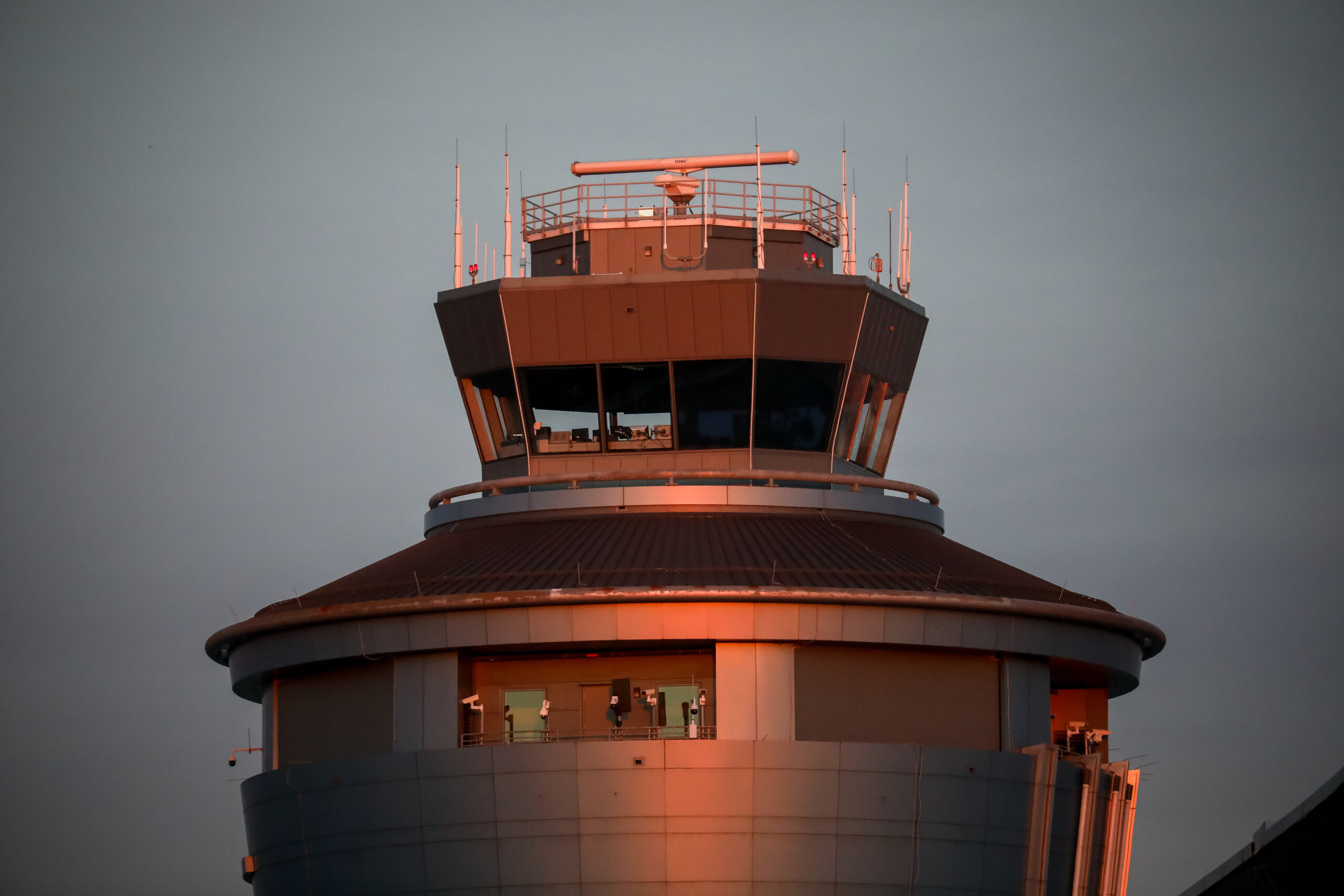
The collision occurred during an overnight shift when only two controllers were working in the tower cab — standard practice that requires juggling multiple roles simultaneously. Earlier thunderstorms had created a flight backlog, adding pressure to an already challenging situation.
Decades-Long Concerns
National Transportation Safety Board Chair Jennifer Homendy cautioned against rushing to judgment, emphasizing that investigators have identified breakdowns across multiple safety systems.
"This is a heavy workload environment," Homendy stated. "I would caution pointing fingers."
The incident has reignited longstanding concerns about air traffic control staffing levels and ground incursions at airports, issues that have persisted for decades as overall air traffic continues to grow.
"It's easy to blame the individual, but we know that after studying so many incidents and accidents … the origins can date back sometimes months and years earlier," said Marc-Antoine Plourde, a Montreal-based airline pilot who has conducted seminars on aviation safety for decades.
The tragedy has resonated throughout the aviation industry, where controllers face increasing pressure to manage complex operations with limited resources. For many professionals, the controller's admission was both alarming and deeply relatable.
As investigators continue their work, the incident serves as a sobering reminder of the human factors at play in aviation safety, particularly as air traffic volumes continue to increase across North America.
This story is based on reporting by CBC World. Read the original article here.